



E-health initiatives aim to improve the efficiency, accessibility and quality of healthcare services, while empowering patients to take an active role in managing their health.
FIT EDIH comes to the aid of SMEs and local public authorities in the medical field that aim to stimulate the development of innovative technological solutions.
List of potential technologies for e-Health solutions:
This technology enables remote communication between patients and healthcare providers through video conferencing, phone calls, or secure messaging platforms. Patients can receive consultations, diagnoses, and even treatment recommendations from the comfort of their own homes.
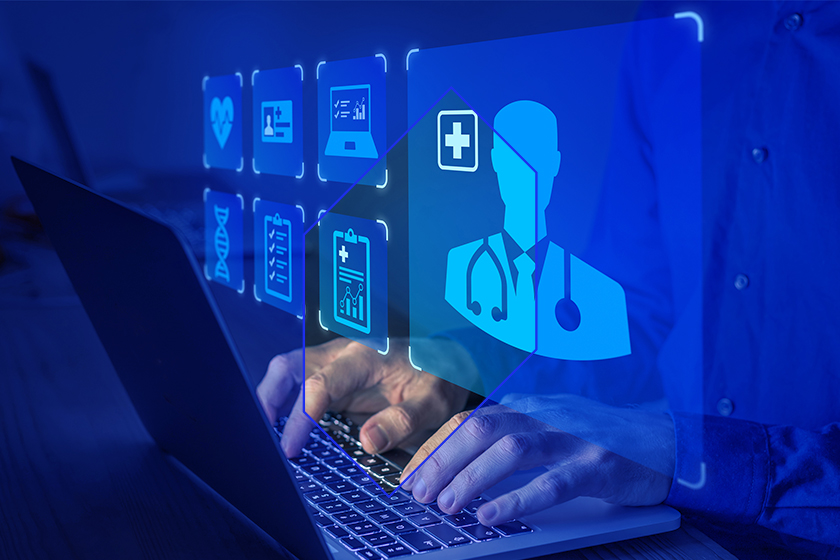
Electronic Medical Records (EMRs)DMEs are digital versions of a patient's medical history, including medications, allergies, immunizations, test results, and doctor's notes. DMEs allow healthcare providers to access a patient's complete medical information from a centralized, secure location, improving care coordination and reducing medical errors.
Mobile Health (mHealth)mHealth uses mobile devices such as smartphones and tablets to deliver medical services and information. These can include appointment reminders, medication trackers, self-monitoring tools for chronic conditions, and access to educational resources.
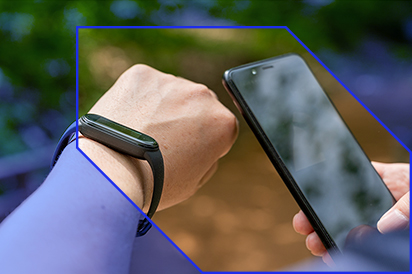
Portable DevicesWearable devices like fitness trackers, smartwatches, and smart clothing can monitor vital signs like heart rate, blood pressure, and sleep patterns. This data can be collected and transmitted to healthcare providers for remote monitoring and early detection of potential health problems.
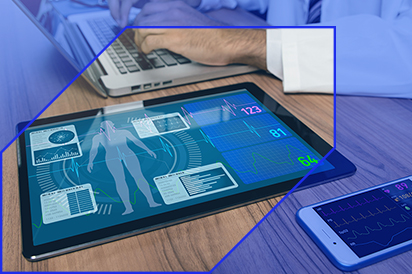
RPM uses technology to collect data about a patient’s health status outside of a clinical setting. This data can be transmitted to healthcare providers for monitoring and intervention as needed. RPM can be particularly beneficial for patients with chronic conditions such as diabetes, heart failure, and COPD.
Artificial Intelligence (AI)It is used in eHealth solutions for tasks such as analyzing medical data for early detection of diseases, chatbots to answer patient questions and provide basic medical advice, and developing personalized treatment plans.
Analiza Big DataIt involves the collection and analysis of large sets of health data. It can be used to identify trends, improve population health outcomes, and develop more effective treatment strategies.
BlockchainIt is a secure and distributed ledger technology that can be used to store and share healthcare data. This can improve data security and privacy and allow patients to have more control over their medical information.