



Manufacturing, also known as smart manufacturing, uses technology to create a connected and intelligent manufacturing network. Here are some key technologies that can be implemented for Manufacturing solutions:
Industrial Internet of Things (IIoT):
IIoT refers to the network of physical devices embedded with sensors and software that collect and exchange data. In manufacturing, IIoT sensors can be attached to machines, robots, and other machinery to track production processes, monitor equipment status, and optimize resource utilization.
Analiza Big Data:
The vast amount of data collected by IIoT sensors requires in-depth analysis to extract useful information. Big Data analytics tools can be used to identify patterns, predict equipment failures, and optimize production processes based on the data generated in real time.
Cloud Computing:
It provides access to scalable, on-demand computing resources such as storage and processing power. Manufacturers can leverage the cloud to store and manage production data generated by IIoT sensors, run simulations, and deploy Big Data analytics tools without the need for extensive on-site infrastructure.
Cyber Security
As factories become more connected, cybersecurity and intellectual property protection become essential. Manufacturing solutions require robust security measures to protect sensitive data from cyberattacks.
Artificial Intelligence (AI):
AI can be used in manufacturing for tasks such as predictive maintenance, where AI algorithms analyze sensor data to predict equipment failures and schedule maintenance before failures occur. AI can also be used to automate quality control, analyzing product data to identify defects.
Digital Twins:
A digital twin is a virtual representation of a physical asset or process. In manufacturing, digital twins can be used to simulate manufacturing processes, test new designs in a virtual environment, and optimize factory layouts before physical implementation.
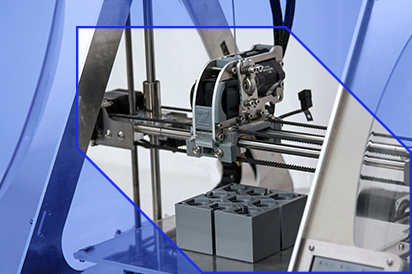
3D printing allows the creation of complex objects layer by layer from a digital file. Manufacturing can use 3D printing for prototyping, creating custom parts, and even low-volume production.
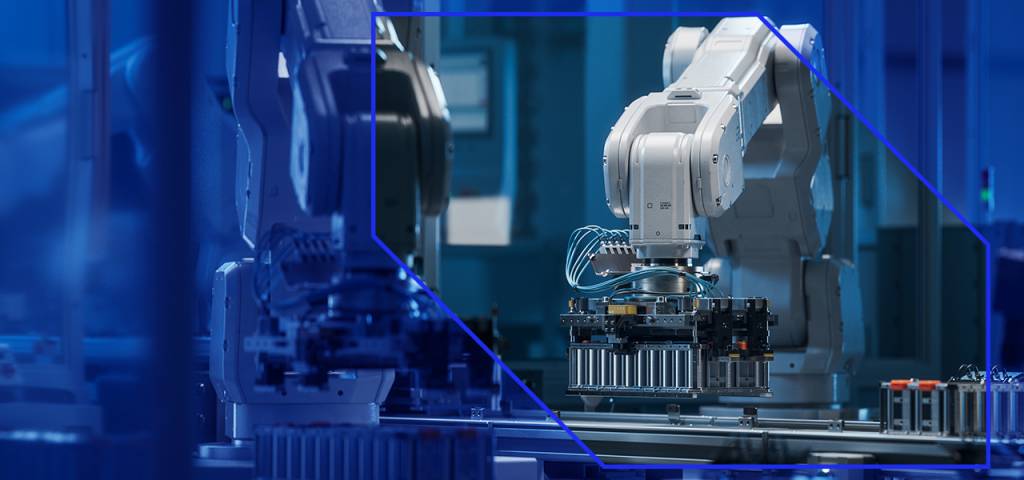
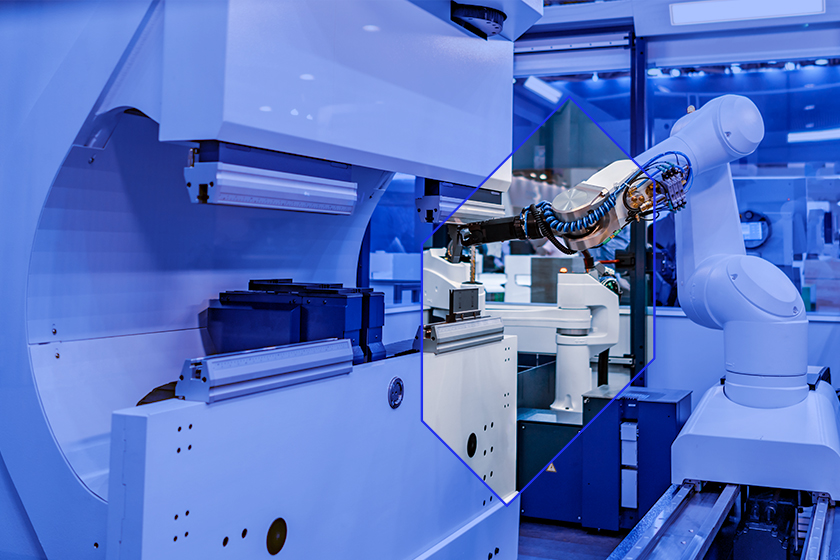
Robotics and Automation:Robots can automate repetitive tasks on the production line, improving efficiency and safety. Collaborative robots, or cobots, can work safely alongside human operators, assisting with tasks such as assembly and material handling.
Augmented Reality (AR):AR overlays digital information on top of the real world. In manufacturing, AR can be used for training and maintenance, providing employees with step-by-step instructions highlighting relevant information about the machines they are interacting with.